

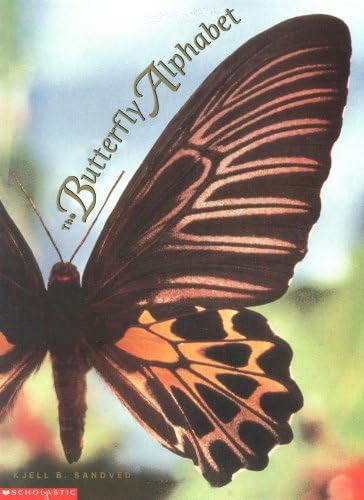
The Butterfly Alphabet is a fascinating picture book that highlights God’s creativity in one small but remarkable part of the natural world. Kjell B. Sandved spent decades traveling the world with the unusual goal of finding every letter of the alphabet hidden in the wings of butterflies and moths, and this book is the beautiful result of that work.
If your children enjoy nature study, visual discovery, or alphabet books with far more depth than usual, this is a memorable one to seek out. It combines photography, geography, science, and wonder in a way that makes children want to look more closely at creation.
Book Snapshot
- Author: Kjell B. Sandved
- Ages: 5–10
- Themes: butterflies, moths, alphabet, nature study, geography, observation, God’s creativity
- Best For: nature study, science extensions, geography connections, and mixed-age learning
About the Book
In his note to readers, Sandved explains that he first noticed a tiny, perfect letter F on the wing of a tropical moth while looking through a microscope. That discovery led to a decades-long search to find the entire alphabet in the wings of butterflies and moths from around the world.
The book includes a two-page spread for each letter. One page features a close-up photograph of the letter hidden in a wing pattern. The facing page shows the full butterfly or moth, a short verse, and the name of the insect. At the end of the book, readers will find additional information about butterflies and moths, along with details about each photographed specimen and where it was found.
This is a visually striking book that rewards careful observation. It is one of those rare titles that feels both delightful and quietly educational at the same time.
Why This Book Works for Homeschooling
The Butterfly Alphabet offers a number of natural learning connections without needing much extra preparation. It works especially well for:
- Nature Study – encouraging careful observation of butterflies, moths, and wing patterns
- Geography – connecting each butterfly to places around the world
- Science – comparing butterflies and moths and learning more about insect life
- Art – noticing symmetry, pattern, and design in creation
- Faith – reflecting on God’s creativity and beauty in the natural world
Picture Book Activities
Use these simple ideas to turn your read-aloud into an easy picture book study. Choose one or two that fit your children and season of learning.
- Geography: Using this free blank world map, mark where your seven favorite letters of the alphabet were photographed. The location information is included at the end of the book.
- Science: Use a Venn diagram to compare butterflies and moths. Talk about their similarities and differences in appearance, habits, and structure.
- Art: Create your own butterfly featuring the first letter of your child’s name. This is a fun way to connect art, design, and the book’s central idea.
- Handwriting & Copywork: Practice handwriting while learning interesting facts with Butterflies Copywork – Print and Cursive.
- Morning Basket: Add a quick daily nature study element with the Butterfly Fun Fact Cards.
- Poetry: Read and discuss “To a Butterfly” by William Wordsworth and talk about how poetry and science both help us notice beauty more carefully.
Discussion Questions
- Why do you think the author spent so many years searching for all the letters of the alphabet?
- What does this book teach us about careful observation?
- Which butterfly letter was your favorite, and why?
- What does this book show us about God’s creativity in nature?
Final Recommendation
If your children enjoy nature study, alphabets, photography, or beautiful nonfiction picture books, The Butterfly Alphabet is well worth tracking down. It is a unique and memorable book that encourages children to look more closely at the world God has made.

Leave a Reply